
The Allure of Gambling: Understanding the Attraction
The excitement of casino gaming lies at the intersection of chance and strategy, drawing many individuals to test their luck. The vibrant ambiance, combined with the enticing sounds of spinning reels and the clatter of chips, creates an intoxicating environment that captivates players seeking the best online pokies available. This sensory stimulation reinforces the potential for winning, which serves as a significant motivator in gambling psychology. As the perceived rewards increase, they often overshadow the associated risks, prompting players to return for more thrilling experiences.
The psychology surrounding risk-taking is a crucial factor in understanding why people are attracted to gambling establishments. Many individuals have a natural inclination towards thrill-seeking behaviors, where the adrenaline rush from uncertain outcomes becomes an irresistible draw. This thrill is often heightened by the presence of fellow gamblers and the energetic buzz of the casino floor, which fosters a communal atmosphere. Such social dynamics can mask concerns about losing money, allowing individuals to rationalize their gambling as a form of entertainment rather than a financial gamble.
Additionally, the design of casino games leverages cognitive biases, such as the gambler’s fallacy, which skews an individual’s perception of probability. Players frequently believe that previous outcomes affect future chances, leading them to feel that a win is “due” after experiencing a series of losses. This misconception can keep players engaged for extended periods, as they chase that elusive win, driven by an irrational yet deeply human hope. Understanding these psychological mechanisms is essential to grasp why casinos attract countless visitors each year.
The Role of Emotions in Gambling Behavior
Emotions play a pivotal role in shaping gambling behavior, with feelings of excitement, anxiety, and sadness significantly influencing how players engage with casino games. When players experience winning moments, they often feel euphoric, creating a desire to replicate that experience. Conversely, losses can trigger frustration or despair, which can lead individuals to gamble more ardently in hopes of recouping their losses. This emotional rollercoaster is integral to a player’s overall experience and decision-making process.
The phenomenon of ‘chasing losses’ is particularly significant in gambling psychology, as players often increase their bets after experiencing losses in an attempt to regain their lost money. This behavior can spiral out of control, especially among individuals who struggle to manage their emotions effectively. The interplay between emotions and rational decision-making highlights the complexity of gambling dynamics, as players frequently surrender to their emotional impulses rather than adhering to logical reasoning.
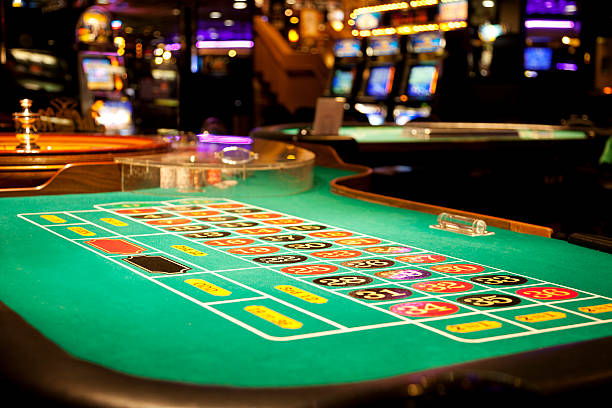
Furthermore, for many individuals, the emotional release that gambling provides can serve as a coping mechanism for stress or mental health challenges. The casino environment offers a temporary escape, allowing individuals to momentarily forget the pressures of the outside world. However, this reliance on gambling as an emotional outlet can lead to addictive behaviors, ultimately resulting in severe consequences in a person’s life. Recognizing the emotional aspects of gambling is crucial for individuals seeking to understand their behavior and for professionals aiming to assist those grappling with gambling-related issues.
The Influence of Casino Design and Marketing Techniques
The physical layout and design of casinos are meticulously engineered to maximize player engagement and spending. From the moment guests enter, they are enveloped in an environment specifically designed to keep them playing. Bright lights, vivid colors, and enticing sounds create a sensory overload that stimulates excitement. Casinos often lack clocks and windows, eliminating natural time cues and encouraging players to lose track of time as they pursue their next win.
Marketing techniques further enhance this effect, employing various strategies to attract and retain players. Promotions such as complimentary drinks, free meals, and loyalty rewards create a perception of added value, often leading players to gamble more, believing they are receiving a ‘bonus’ for their expenditure. Additionally, casinos frequently host special events and themed nights, further boosting their allure and providing players with diverse experiences that enhance their overall enjoyment.
Another crucial aspect of casino design is the strategic placement of high-stakes games and slot machines, which are positioned to attract passersby. The visibility of these games entices players to engage, fueled by the allure of substantial jackpots or progressive payouts. By leveraging human psychology through thoughtful design and marketing, casinos cultivate an environment that encourages prolonged gaming sessions, ultimately driving profitability for the establishment while potentially jeopardizing the player’s financial well-being.
The Brain’s Reward System and Gambling Addiction
Understanding the brain’s reward system is essential to grasp the potential for gambling addiction. When players win, the brain releases dopamine, a neurotransmitter linked to pleasure and reward. This release generates a sense of euphoria, compelling individuals to seek that feeling repeatedly. Over time, the brain begins to associate casino gaming with these pleasurable sensations, reinforcing the behavior and making it increasingly challenging for players to resist the urge to gamble, even in the face of losses.

The longing for that dopamine rush can create a dependency cycle, where winning becomes harder to achieve, yet the desire to gamble remains potent. As individuals chase the high, they may escalate their gambling habits, jeopardizing not only their finances but also their personal relationships and mental health. This cycle can evolve into a full-blown gambling disorder, characterized by an inability to control one’s gambling behavior despite facing negative consequences.
Research indicates that certain personality traits, such as impulsivity or a penchant for risk-taking, can heighten the likelihood of developing gambling-related issues. By delving into the neurological aspects of gambling and recognizing the signs of addiction, individuals can better understand their relationship with casino gaming. This understanding also underscores the importance of awareness and preventive measures aimed at those who may be susceptible to the enticing yet potentially harmful world of gambling.
Understanding Gambling: Resources and Support
For those seeking to comprehend the complexities of gambling behavior or who may feel their gaming habits are becoming problematic, numerous resources are available. Educational websites and support groups provide valuable insights into the psychological aspects of gambling, helping individuals identify signs of unhealthy behavior and offering effective coping strategies. Many organizations focus on prevention and recovery, delivering guidance for anyone affected by gambling addiction, whether directly or indirectly.
Engaging with these resources can empower individuals to make informed choices regarding their gambling activities. They offer insights into responsible gambling practices, including setting limits and recognizing when it is time to step back. Additionally, support networks foster a sense of community, connecting individuals who share similar experiences and challenges, thereby reducing feelings of isolation and promoting recovery.
Ultimately, understanding the psychology behind casino gaming and the dynamics of gambling can lead to healthier choices. By utilizing available resources and maintaining awareness of personal behaviors, individuals can enjoy the entertainment aspect of gambling without succumbing to the risk of addiction. Empowerment through knowledge is key to cultivating a balanced relationship with gaming and ensuring that it remains a source of enjoyment rather than a potential source of harm.